
Clear communication is no longer a “nice-to-have” skill. In a world overflowing with content, messages, and conversations, the ability to express ideas with clarity, precision, and confidence is what truly sets individuals and brands apart. This is where mark fluent comes into focus. Mark fluent is not about sounding complex or using fancy language. It is about being understood instantly, remembered easily, and trusted consistently. Whether you are a student, professional, entrepreneur, content creator, or team leader, becoming mark fluent can completely change how your message lands with others.
This guide is designed to give you a deep, practical understanding of mark fluent from every angle. You will learn what it means, why it matters, how it works in real life, and how you can apply it step by step. Everything here is written for humans first, not algorithms, so you can actually use what you read. Let’s begin.
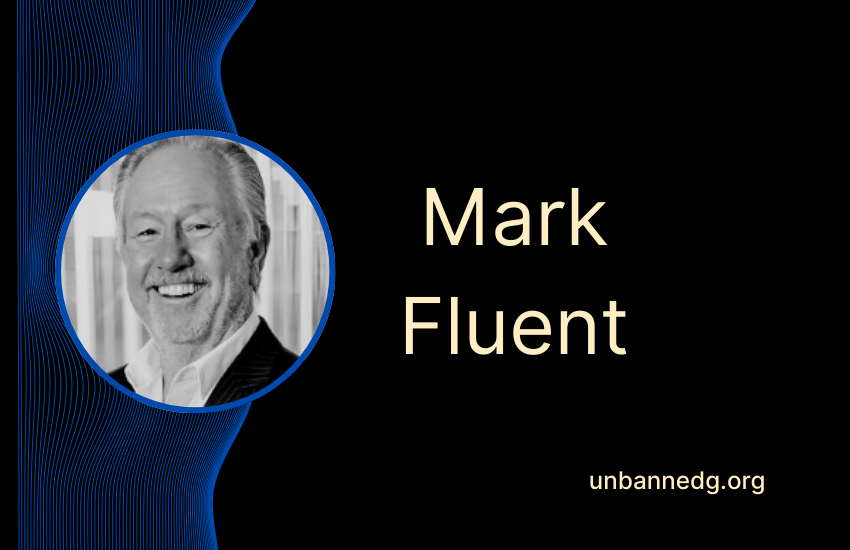
Mark Fluent Biography Table
| Field | Information |
|---|---|
| Full Name | Mark Fluent |
| Known As | Mark Fluent |
| Profession | Not publicly documented |
| Nationality | Not publicly available |
| Date of Birth | Not disclosed |
| Place of Birth | Not publicly available |
| Education | Not publicly available |
| Career Background | No verified public records |
| Notable Work | Not publicly documented |
| Media Presence | Limited / Not established |
| Marital Status | Not publicly disclosed |
| Children | Not publicly available |
| Current Status | Private individual |
What Mark Fluent Really Means
Mark fluent refers to the ability to communicate ideas in a way that is clear, intentional, and aligned with the audience’s understanding. It combines clarity of thought, structured messaging, and natural language flow. Unlike traditional fluency, which often focuses only on grammar or vocabulary, mark fluent emphasizes meaning, impact, and context.
At its core, being mark fluent means you can “mark” your message clearly in the listener’s or reader’s mind. Your words do not create confusion or force people to reread sentences. Instead, they guide the audience smoothly from one idea to the next. This applies to speaking, writing, presentations, emails, marketing copy, and even everyday conversations.
Another key aspect of mark fluent is adaptability. A mark fluent communicator can explain the same idea differently depending on who they are talking to. They know when to simplify, when to expand, and when to pause. This flexibility makes mark fluent a powerful skill in both personal and professional settings.
Why Mark Fluent Matters in the Modern World
The modern world runs on communication. Emails, social posts, reports, videos, meetings, and messages shape how people perceive you. Mark fluent communication helps you stand out by making your ideas easy to understand and hard to forget.
One reason mark fluent matters so much today is information overload. People skim, scroll, and multitask. If your message is not clear within seconds, it is often ignored. Mark fluent helps you cut through the noise by delivering value quickly and clearly without sacrificing depth.
It also builds trust. When people understand you easily, they are more likely to believe in your expertise and intentions. Confusing language often feels uncertain or unreliable. Mark fluent communication signals confidence, preparation, and respect for the audience’s time.
The Core Principles Behind Mark Fluent Communication
Mark fluent communication is built on a few core principles that guide how messages are formed and delivered. The first principle is clarity. Every sentence should serve a purpose and move the idea forward. Unnecessary words, vague phrases, and unclear references weaken fluency.
The second principle is structure. Mark fluent messages follow a logical flow. Ideas are introduced, explained, and reinforced in a way that feels natural. This structure helps the audience follow along without mental effort.
The third principle is audience awareness. Mark fluent communicators constantly consider who they are speaking to. They choose words, examples, and tone based on the audience’s knowledge, expectations, and goals.
Mark Fluent vs Traditional Fluency
Traditional fluency often focuses on technical correctness, such as grammar rules, pronunciation, or vocabulary range. While these elements are important, they are not enough on their own. Someone can be grammatically perfect and still unclear or boring.
Mark fluent goes beyond correctness. It prioritizes understanding and impact. A mark fluent message may use simple language, short sentences, and familiar examples to ensure clarity. The goal is not to impress, but to connect.
Another key difference is intention. Traditional fluency measures how well you use a language. Mark fluent measures how well your message lands. This shift in focus makes mark fluent more practical and results-driven.
How Mark Fluent Improves Written Communication
In writing, mark fluent communication makes content easier to read and more engaging. It helps readers follow your ideas without getting lost or overwhelmed. This is especially important for long-form content, reports, and educational material.
Mark fluent writing uses clear headings, logical paragraphs, and smooth transitions. Each paragraph focuses on one main idea and supports it with explanation or examples. This approach keeps readers engaged and improves comprehension.
It also encourages a natural, conversational tone where appropriate. Instead of stiff or overly formal language, mark fluent writing sounds human and approachable. This builds a stronger connection with readers and keeps them reading longer.
Mark Fluent in Speaking and Presentations
When speaking, mark fluent communication helps you sound confident and organized. It reduces filler words, rambling, and unclear explanations. Your audience can follow your thoughts easily, even in complex discussions.
A mark fluent speaker knows how to pace their delivery. They pause at the right moments, emphasize key points, and adjust their tone to maintain interest. This makes presentations more engaging and memorable.
Mark fluent speaking also involves listening. Understanding audience reactions and questions allows you to adjust your message in real time. This adaptability is a major advantage in meetings, interviews, and public speaking situations.
The Role of Clarity and Simplicity in Mark Fluent
Clarity and simplicity are the backbone of mark fluent communication. This does not mean oversimplifying ideas or removing depth. It means expressing complex ideas in an understandable way.
Mark fluent communicators break down complex concepts into smaller, manageable parts. They use examples, analogies, and plain language to guide understanding. This makes even advanced topics accessible.
Simplicity also reduces misunderstandings. When messages are clear, there is less room for confusion or misinterpretation. This saves time, reduces frustration, and improves outcomes in both personal and professional interactions.
Mark Fluent for Professionals and Businesses
In professional environments, mark fluent communication can directly impact success. Clear emails reduce back-and-forth. Well-structured reports support better decision-making. Effective presentations influence stakeholders.
For businesses, mark fluent messaging strengthens branding and customer trust. When customers understand what you offer and why it matters, they are more likely to engage and convert. Confusing messaging often leads to lost opportunities.
Internally, mark fluent communication improves teamwork. Clear expectations, instructions, and feedback help teams work more efficiently and with fewer conflicts.
Mark Fluent in Digital and Online Content
Online content competes for attention. Mark fluent principles help digital content stand out by making it scannable, engaging, and valuable. Clear headings, concise paragraphs, and focused ideas improve readability.
Mark fluent digital content also considers user intent. It answers questions directly and avoids unnecessary fluff. This makes the content more useful and satisfying for readers.
Whether it’s a blog post, social media update, or website page, mark fluent communication ensures that users quickly understand the message and know what to do next.
Common Mistakes That Prevent Mark Fluent Communication
One common mistake is overcomplicating language. Using complex words or long sentences can make messages harder to understand. Mark fluent communication values clarity over complexity.
Another mistake is lack of structure. Jumping between ideas without clear transitions confuses the audience. Mark fluent messages follow a logical sequence that guides understanding.
Ignoring the audience is another major issue. Messages that do not consider the listener’s background or needs often miss the mark. Mark fluent communication always starts with the audience in mind.
Practical Techniques to Become Mark Fluent
Becoming mark fluent is a skill that can be developed with practice. Start by organizing your thoughts before speaking or writing. Clear thinking leads to clear communication.
Edit ruthlessly. Remove unnecessary words and simplify sentences. Ask yourself whether each sentence adds value or clarity.
Practice explaining ideas in different ways. This builds flexibility and helps you adapt your message to different audiences.
Tools and Frameworks That Support Mark Fluent Thinking
Various tools can help support mark fluent communication. Outlining tools help structure ideas before writing. Feedback tools help identify unclear areas.
Below is a simple comparison table showing how structure improves clarity:
| Without Structure | With Mark Fluent Structure |
|---|---|
| Scattered ideas | Logical flow |
| Long paragraphs | Focused sections |
| Unclear message | Clear takeaway |
Frameworks like problem-solution, cause-effect, and step-by-step explanations also support mark fluent communication by providing a clear path for the audience to follow.
Measuring the Impact of Mark Fluent Communication
The impact of mark fluent communication can be measured through understanding and response. If people ask fewer clarification questions, your message is likely clear.
Engagement is another indicator. Readers who stay longer, respond thoughtfully, or take action are responding to mark fluent messaging.
Feedback also plays a role. Positive comments about clarity, usefulness, or ease of understanding signal effective mark fluent communication.
Mark Fluent Across Cultures and Contexts
Mark fluent communication adapts across cultures by respecting different norms, expectations, and communication styles. Clarity and respect remain universal, but expression may change.
In multicultural settings, mark fluent communicators avoid idioms or references that may confuse others. They focus on shared understanding rather than assumptions.
This adaptability makes mark fluent especially valuable in global teams, international business, and diverse communities.
Long-Term Benefits of Becoming Mark Fluent
The long-term benefits of mark fluent communication are significant. It improves relationships, reduces misunderstandings, and increases influence.
Professionally, mark fluent individuals are often seen as leaders because they can explain ideas clearly and guide others effectively.
Personally, mark fluent communication leads to more meaningful conversations and stronger connections. Being understood feels good, and understanding others builds trust.
Conclusion
Mark fluent is more than a communication style. It is a mindset that prioritizes clarity, understanding, and impact. By focusing on how your message is received rather than just how it is delivered, you create stronger connections and better outcomes. Whether in writing, speaking, or digital communication, mark fluent principles help you express ideas with confidence and purpose. With practice and awareness, anyone can become mark fluent and transform the way they communicate.
FAQs
What is mark fluent in simple terms?
Mark fluent means communicating ideas clearly and effectively so they are easily understood and remembered.
Is mark fluent only about writing?
No, mark fluent applies to writing, speaking, presentations, and everyday communication.
Can anyone become mark fluent?
Yes, mark fluent is a skill that can be developed through practice and awareness.
Does mark fluent mean using simple language only?
It means using the right level of language for your audience, not oversimplifying or overcomplicating.
Why is mark fluent important today?
Because clear communication saves time, builds trust, and helps messages stand out in an information-heavy world.


