
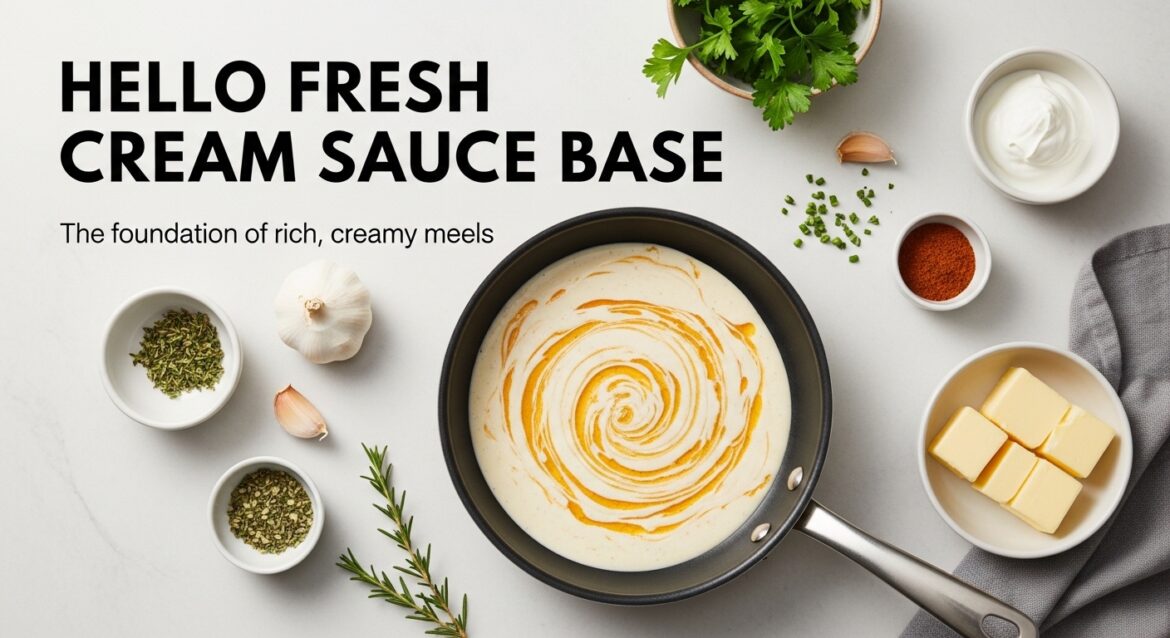
Creamy sauces have a way of turning simple meals into comforting, indulgent dishes, and hello fresh cream sauce base has become a favorite topic for home cooks who want consistent, flavorful results without complicated techniques. Whether you’ve tasted it in a meal kit, tried to recreate it at home, or are simply curious about how a versatile cream sauce works, this guide is designed to give you clarity and confidence.
This article goes deep into everything you need to know—from ingredients and texture to variations, storage, nutrition, and cooking tips. The focus is always on real cooking value, not hype. By the end, you’ll understand how a cream sauce base works, how to customize it for different recipes, and how to use it to elevate everyday meals.
Understanding Hello Fresh Cream Sauce Base
Hello fresh cream sauce base refers to a foundational creamy sauce used in many home-style and meal-kit recipes. It is designed to be neutral enough to adapt to different cuisines while still delivering richness and body. Instead of being a finished sauce, it acts as a starting point that can be flavored in many ways.
At its core, this sauce base balances dairy richness with subtle seasoning. The texture is smooth and spoon-coating, which allows it to cling well to pasta, vegetables, and proteins. This balance is what makes it so practical for weeknight cooking—it saves time while still feeling homemade.
What makes the hello fresh cream sauce base appealing is its flexibility. It can become a garlic cream sauce, a cheesy pasta base, or even a mild herb sauce depending on what you add. Understanding it as a foundation rather than a final product helps you use it more creatively.
Key Ingredients Used in a Cream Sauce Base
The ingredients in a hello fresh cream sauce base are simple, familiar, and widely available. The foundation usually includes dairy, fat, and a thickening agent that creates structure without overpowering flavor.
Heavy cream or light cream is typically the primary ingredient, providing richness and smoothness. Butter adds depth and helps carry flavor, while flour or starch is often used to stabilize the sauce. Seasonings like salt, pepper, and mild aromatics keep the base neutral.
What’s important is ingredient balance. Too much cream can make the sauce heavy, while too much thickener can dull flavors. A well-made cream sauce base feels rich but not greasy and smooth without being gluey. This balance is what makes it adaptable to many dishes.
How Texture and Consistency Are Achieved
Texture is one of the defining features of a successful cream sauce base. The goal is a sauce that flows easily when warm but thickens slightly as it cools, giving dishes a luxurious mouthfeel.
This texture is usually achieved through gentle heat and controlled thickening. Cream reduces slightly as it heats, while flour or starch binds liquid into a smooth structure. Stirring is essential to prevent lumps and ensure even consistency.
Consistency also depends on how the sauce is used. For pasta, a thicker sauce works better, while for vegetables or proteins, a lighter consistency may be preferred. The beauty of a hello fresh cream sauce base is that it can be adjusted easily with a splash of milk, broth, or pasta water.
Flavor Profile of Hello Fresh Cream Sauce Base
The flavor of a cream sauce base is intentionally mild. This neutrality allows it to absorb other flavors without clashing. It’s creamy, slightly buttery, and gently seasoned, making it a perfect canvas.
Because the base itself is subtle, added ingredients shine more clearly. Garlic becomes aromatic, cheese becomes savory, and herbs stay fresh rather than muddy. This is why cream sauce bases are used across different cuisines.
A mild flavor profile also makes the sauce family-friendly. It appeals to a wide range of tastes and can be easily adjusted for spice, tang, or richness depending on preference.
Common Dishes That Use Cream Sauce Base
Cream sauce bases appear in many comforting dishes. From pasta to chicken to vegetables, their versatility is one of their strongest advantages.
Popular uses include creamy pasta dishes, chicken in cream sauce, vegetable gratins, and skillet meals. The base ties ingredients together and adds moisture, preventing dishes from feeling dry.
Because it works well with both proteins and vegetables, a hello fresh cream sauce base is often used in balanced meals where texture and flavor harmony matter more than bold seasoning.
Table: Typical Ingredients and Their Role
| Ingredient | Purpose | Flavor Impact |
|---|---|---|
| Cream | Richness and body | Mild, dairy-forward |
| Butter | Depth and mouthfeel | Slightly savory |
| Flour or starch | Thickening | Neutral |
| Salt and pepper | Balance | Enhances overall taste |
How to Customize a Cream Sauce Base
Customization is where a cream sauce base truly shines. By adding just a few ingredients, you can transform it into something entirely new.
Cheese turns it into a pasta sauce, garlic and herbs make it aromatic, and spices can push it toward specific cuisines. Acidity from lemon or vinegar can lighten richness and add brightness.
The key is adding flavors gradually. Because the base is subtle, small amounts go a long way. Tasting as you go ensures balance and prevents overpowering the sauce.
Cooking Techniques That Improve Results
Technique matters just as much as ingredients when working with cream sauces. Gentle heat is essential to prevent separation or scorching.
Always warm the sauce slowly and stir consistently. Avoid boiling, as high heat can cause cream to split. If adding cheese, remove from direct heat to keep the texture smooth.
Using a wide pan also helps with even heating. These small details make the difference between a grainy sauce and a silky one.
Nutritional Considerations of Cream Sauce Base
Cream-based sauces are rich, and that richness comes with higher fat content. Understanding this helps you enjoy them mindfully.
Cream provides calories and fat but also contributes calcium and fat-soluble vitamins. Portion control and balance with vegetables or lean proteins can make meals feel satisfying without excess.
For lighter options, some cooks substitute part of the cream with milk or broth. This reduces richness while keeping the sauce creamy enough to enjoy.
Storage and Reheating Best Practices
Proper storage helps maintain texture and flavor. Cream sauce bases should be stored in airtight containers and refrigerated promptly.
When reheating, low heat is critical. Stir frequently and add a small amount of liquid if the sauce thickens too much. Avoid microwaving on high heat, as this can cause separation.
Freshly made sauces taste best, but careful reheating can preserve quality for leftovers.
Table: Storage Guidelines
| Storage Method | Duration | Notes |
|---|---|---|
| Refrigerator | 3–4 days | Keep sealed tightly |
| Freezer | Not ideal | Texture may change |
| Reheating | Low heat | Stir constantly |
Common Mistakes to Avoid
One common mistake is overheating. Cream sauces are delicate and require patience. High heat almost always leads to texture problems.
Another mistake is overseasoning early. Because the sauce reduces slightly, seasoning should be adjusted at the end to avoid excessive saltiness.
Finally, skipping stirring can lead to uneven thickening. Consistent attention ensures smooth results.
Pairing Cream Sauce Base With Proteins
Cream sauce bases pair beautifully with proteins like chicken, fish, and even plant-based options. The sauce adds moisture and richness, enhancing texture.
Chicken benefits from the sauce’s mildness, while fish pairs well when the sauce is lightened with herbs or citrus. Plant-based proteins gain comfort and cohesion.
Choosing the right protein helps the sauce feel complementary rather than overwhelming.
Pairing With Vegetables and Pasta
Vegetables like mushrooms, spinach, and broccoli absorb cream sauces well, creating satisfying dishes. Pasta shapes that hold sauce, such as penne or fettuccine, work best.
Balancing vegetables with creamy elements keeps dishes from feeling heavy. The sauce should coat, not drown, the ingredients.
Table: Best Pairings for Cream Sauce Base
| Category | Examples |
|---|---|
| Proteins | Chicken, salmon, tofu |
| Vegetables | Mushrooms, spinach, peas |
| Pasta | Penne, fettuccine, rigatoni |
Why Cream Sauce Bases Are So Popular
Cream sauce bases save time while delivering consistent results. They reduce guesswork and allow cooks to focus on flavor combinations.
Their adaptability makes them ideal for busy households. One base can support multiple meals throughout the week.
This combination of convenience and comfort explains their lasting popularity.
Conclusion
Hello fresh cream sauce base is more than just a creamy mixture—it’s a flexible foundation that empowers home cooks. With the right balance of ingredients, gentle technique, and thoughtful customization, it can transform everyday meals into satisfying dishes. Understanding how it works helps you cook with confidence and creativity.
FAQs
What is hello fresh cream sauce base made of?
It typically includes cream, butter, a thickener, and mild seasoning.
Can I customize the flavor easily?
Yes, it’s designed to absorb added flavors like cheese, herbs, or spices.
Is cream sauce base suitable for beginners?
Absolutely. Its simplicity makes it beginner-friendly.
How long does it last in the fridge?
Usually 3 to 4 days when stored properly.
Can I make it lighter?
Yes, by replacing part of the cream with milk or broth.


