
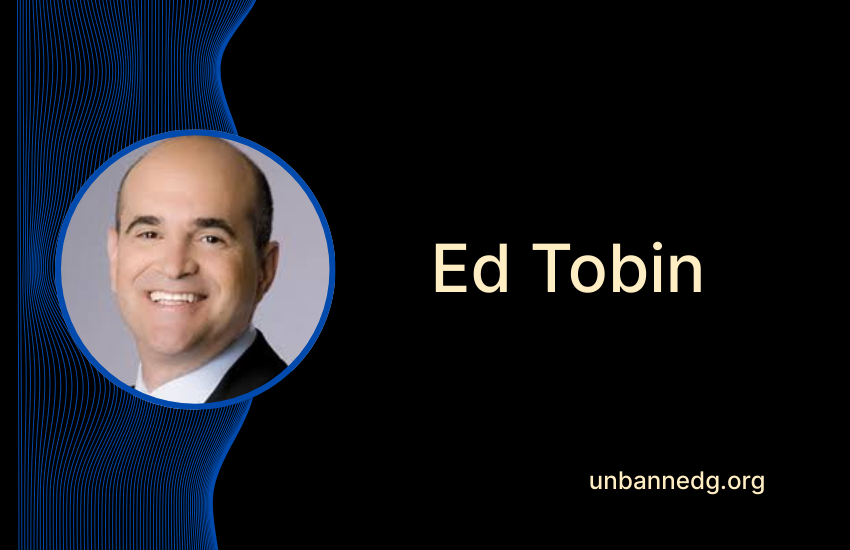
Ed Tobin is a name increasingly recognized in journalism and media leadership circles. Whether you’re a journalism student, an aspiring editor, or simply interested in how global newsrooms function, understanding the life and work of Ed Tobin offers insight into what it takes to lead in one of the world’s most influential news organizations. This complete guide dives deeply into his background, his rise at Reuters, his leadership philosophy, and what his role means for the future of global journalism.
This article is crafted to serve real readers—people curious about the inner workings of global news desks, the evolution of journalism careers, and the impact that editorial leaders like Ed Tobin have on how news is shaped, published, and consumed. It’s rich in detail, grounded in verifiable information, and written for clarity rather than just optimization. You’ll leave with a comprehensive understanding of who Ed Tobin is, why his role matters, and how his journey reflects important trends in contemporary media.
Biography Overview of Ed Tobin
| Attribute | Details |
|---|---|
| Full Name | Ed Tobin |
| Occupation | Journalist and News Editor |
| Current Role | Head of the Global News Desk at Reuters |
| Primary Sector | International News Media |
| Known For | Leadership in global newsroom operations |
| Education | Bachelor’s degree and Master’s in Journalism |
| Base | New York, United States |
Early Life and Foundations
Ed Tobin’s journey in journalism began long before he became a newsroom leader. Born and raised in the United States, he is known to be the youngest of 17 children, which is a unique personal detail that reflects early lessons in collaboration, communication, and navigating complex social environments—skills that would later prove invaluable in his professional life. Growing up in a large family arguably set the stage for his natural aptitude for teamwork, negotiation, and handling varied perspectives—key strengths for anyone aspiring to lead editorial teams.
From an early age, Ed Tobin demonstrated curiosity about the world around him. This curiosity translated into a passion for storytelling, analysis, and understanding how information influences public understanding. While specifics about his childhood education are less discussed publicly, his academic path shows a clear focus on equipping himself for a career in media. He pursued higher education seriously, completing a bachelor’s degree in history with a minor in business and later a master’s in journalism. These academic credentials helped him build a strong foundation in critical thinking, analytical writing, and understanding the ethical responsibilities of journalism in society.
Ed Tobin’s early formative years are an example of how personal background and academic choices can shape a future leader in media. Rather than following a singular path, he combined rich personal experience with formal training to create a well-rounded professional identity—one capable of navigating the fast-paced and pressure-filled environment of global news editing.
Educational Journey and Journalism Training
Education plays a central role in shaping any journalist’s worldview, and for Ed Tobin, the academic journey laid crucial groundwork for his future success. He completed his undergraduate studies at Loyola University Chicago, where he majored in history and minored in business. This combination offered him a unique blend of contextual understanding of global events and an appreciation for the practical, organizational aspects of media and communication sectors. History training equipped him to identify patterns, contextualize news, and connect present events with broader societal dynamics, while business studies exposed him to strategic thinking relevant for leadership roles.
After his bachelor’s degree, Ed Tobin continued his educational path at the prestigious New York University (NYU), completing a master’s degree in journalism. NYU’s journalism program is known for balancing theory with extensive practical experience, including newsroom simulations, ethics seminars, reporting exercises, and multimedia training. This environment sharpened Tobin’s reporting instincts and gave him firsthand understanding of journalistic standards, fact-checking rigor, editorial workflow, and the responsibilities that come with delivering news to the public.
The combined educational background helped Tobin navigate increasingly complex assignments in his early career. It also prepared him to understand newsroom dynamics from both the content side (news reporting and editing) and the structural side (team leadership, resource management, workflow design). His education was less about memorizing facts and more about building capabilities—critical thinking, ethical judgment, decision-making under pressure—all of which became essential assets as his career progressed within one of the world’s largest news organizations.
Early Career at Reuters
Ed Tobin’s professional journey is most closely tied with Reuters, one of the world’s most respected international news agencies. He began at Reuters in 1997 as a news assistant shortly after completing his formal journalism training. This entry-level position was just the beginning of a long and influential career within the organization. Starting on the newsroom floor, Tobin was deeply immersed in the day-to-day of news gathering, editing, and publishing.
In these early years, he worked in the iconic New York “pit,” the buzzing center of journalistic activity where stories are rapidly discussed, refined, and prepared for publication. Here, he learned not just the mechanics of reporting but also the cadence of a global newsroom, where timeliness and accuracy are always in tension. He handled a range of beats, reporting on sectors like corporate news, food, health care, and manufacturing. The breadth of this experience provided him with a holistic understanding of the newsroom’s functions and built his editorial instincts.
These formative years allowed Tobin to develop not just technical skills but also relationships—with reporters, editors, and leadership—forming a deep internal network that supported his rise through editorial ranks. By working across desks and stories, he gained insights into what kinds of reporting resonate with audiences and how to nurture journalistic talent. This combination of experience and mentorship positioned him for growth, allowing him to transition from news assistant to more strategic editorial roles.
Progression Through Editorial Roles
Ed Tobin didn’t remain in entry-level positions for long. Over the next decade, he took on a series of increasingly senior editorial roles within Reuters. His ability to judge newsworthiness, guide reporters, and make quick, informed editorial decisions led to roles of greater responsibility. One notable turning point was his appointment as Deputy Editor on the Top News desk in the Americas. In this role, he oversaw substantial editorial operations, ensuring a steady flow of stories that met Reuters’ rigorous standards for accuracy and relevance.
During this progression, Tobin also took on specialized editing roles, including heading the Global Finance Desk and the Global Business and Markets desk. These assignments reflect his versatility and capacity to oversee complex, high-stakes reporting areas. Finance and markets reporting require not only editorial judgment but also an understanding of economic contexts, investor concerns, and global financial dynamics. Tobin’s leadership in these areas signaled both the newsroom’s trust in his skills and his adaptability across different journalistic domains.
As he moved up the ranks, his roles increasingly involved managing editorial teams rather than writing or reporting himself. He became known for mentoring younger journalists, refining story development processes, and pushing for innovation in how news was delivered—whether through text, video, or digital formats. This period of career evolution marked a shift from being an individual contributor to becoming a newsroom leader with influence over strategy and storytelling quality at large.
Becoming Head of the Global News Desk
One of the most significant milestones in Ed Tobin’s career was his appointment as Head of the Global News Desk at Reuters, a role that placed him at the helm of one of the company’s most critical editorial operations. The Global News Desk is responsible for editing and publishing the global text news file and coordinating coverage across regions, beats, and formats. In this capacity, Tobin guides editorial strategy, ensures cohesive news planning, and oversees execution of key stories that shape global understanding of political, economic, and cultural events.
Under his leadership, the Global News Desk has continued to expand its reach, integrate multimedia content, and adapt to a rapidly shifting media environment where audiences consume news across platforms and time zones. Tobin’s editorial philosophy emphasizes clarity, accuracy, and relevance, but also a deep respect for context—understanding that in a complex world, simple narratives are often insufficient.
His leadership role extends beyond day-to-day operations. He works closely with digital teams to enhance Reuters’ presence online, collaborates with visual teams to integrate video storytelling, and engages with business strategists to ensure that editorial integrity aligns with broader organizational goals. This multi-dimensional leadership underscores the evolving nature of newsroom management in a digital era and highlights why experienced editorial leaders are indispensable.
Editorial Philosophy and Leadership Style
Ed Tobin’s approach to editorial leadership is rooted in several core beliefs: the primacy of truth, the importance of context in reporting, and the value of collaboration across teams. In his view, news editing is not just about correcting grammar or formatting stories; it’s about shaping narratives in ways that inform without sensationalizing and that respect audiences’ need for accuracy and nuance.
He is also known for fostering a newsroom culture that values mentorship and continuous learning. Within fast-paced news environments, younger journalists often face pressure to perform quickly. Tobin’s leadership style—encouraging collaboration, offering constructive feedback, and setting clear editorial standards—helps create space for growth and professional development. This approach aligns with broader trends in contemporary newsrooms where leaders are expected not only to manage content but also to develop talent and maintain morale.
Another element of his philosophy is adaptability. Newsrooms today must navigate disruptions from technological shifts, changes in audience behavior, and ethical challenges posed by misinformation. Tobin’s leadership reflects an openness to innovation, whether in newsroom tools, storytelling formats, or strategies for audience engagement. At the same time, he prioritizes foundational journalistic principles that remain consistent even as delivery mechanisms evolve.
Impact on Global Journalism
Ed Tobin’s influence extends well beyond his immediate newsroom. As Head of the Global News Desk at Reuters, his decisions affect what stories get amplified, how they are contextualized, and how they reach audiences around the world. In an era where misinformation circulates rapidly, his emphasis on accuracy and context contributes to maintaining public trust in reputable news sources.
His impact is also felt in journalism education and mentorship. By nurturing upcoming journalists and promoting rigorous editorial standards, he helps shape future leaders in the field. Many journalists who have worked under his guidance carry forward the values and practices they learned, extending his influence throughout the media landscape.
Moreover, Tobin has helped guide newsroom strategies that respond to changes in how people consume news. By prioritizing multimedia storytelling and effective digital integration, he ensures that Reuters remains competitive and relevant in a crowded information ecosystem. This strategic dimension of his work highlights the broader role editorial leaders play—not just in managing news content, but in shaping the future of journalism itself.
Challenges in Contemporary News Editing
Leading a global news desk in today’s media environment comes with challenges that go far beyond traditional editorial concerns. Ed Tobin has had to navigate issues like misinformation, evolving audience expectations, and the tension between speed and accuracy. These challenges require not just judgment, but constant vigilance and ethical grounding.
In a world where social media amplifies unverified information instantly, the role of reliable news outlets becomes even more critical. Tobin’s emphasis on context and verification reflects an understanding that journalism must hold itself to high standards to retain public trust. This means investing time in fact-checking, cross-referencing sources, and resisting pressures that prioritize immediacy over correctness.
Another contemporary challenge is balancing global reach with local relevance. News that matters to audiences in one region may not resonate the same way elsewhere. As global editor, Tobin oversees operations that must respect cultural nuances while maintaining consistent editorial values. This balancing act requires sophisticated editorial strategy and deep cultural understanding.
Relationship With Reporters and Newsroom Teams
A newsroom leader’s effectiveness depends largely on how well they work with reporters and editors at every level. Ed Tobin is known for fostering strong professional relationships, grounded in mutual respect and shared commitment to journalistic quality. He is not an editor who dictates from a distance; rather, he engages actively with teams to refine stories, anticipate challenges, and elevate reporting standards.
This collaborative approach helps build trust among reporters, who feel supported rather than monitored. It also creates a feedback loop where ideas and concerns can be shared openly, leading to stronger final products and a healthier newsroom culture. In rapidly changing news environments—especially amid crises or breaking events—this rapport becomes especially valuable, ensuring that teams can work cohesively under pressure.
Tobin’s style illustrates the evolving nature of newsroom leadership, where emotional intelligence and mentorship are as important as editorial expertise. His ability to balance authority with approachability makes him a respected figure among colleagues and a model for aspiring leaders in journalism.
Awards and Professional Recognition
Recognition in journalism often comes from both within the industry and from external assessments of impact. Ed Tobin has received noteworthy accolades, including being named Editor of the Year at Reuters’ internal Journalist of the Year Awards. This honor reflects not only his editorial skill but also his ability to lead teams through complex assignments that define public discourse.
Such professional recognition is significant because it underscores peer acknowledgment of his contributions. It conveys that his editorial decisions and leadership style are respected within one of journalism’s most competitive environments. While awards are not the sole measure of success, they highlight exceptional performance and influence.
Moreover, these honors contribute to Tobin’s credibility as a thought leader in journalism. They mark him not just as an experienced editor, but as a benchmark for quality and integrity in news leadership—a figure whose work others look to for inspiration and standards.
Ed Tobin’s Personal Life and Interests
While Ed Tobin is primarily known for his professional accomplishments, aspects of his personal life add depth to his public profile. He lives in Montclair, New Jersey, with his family, indicating a balance between demanding professional responsibilities and personal commitments. His educational background and career trajectory also suggest a lifelong learner’s mindset, one that values both intellectual growth and real-world application.
Balancing work and life is a common challenge for leaders in high-pressure roles like global news editing. Tobin’s ability to sustain a long and successful career while maintaining personal stability offers a model for aspiring professionals who seek both excellence and fulfillment beyond the newsroom.
Personal interests and family life may not dominate public narratives about editorial leaders, but they shape how individuals bring empathy, perspective, and resilience to their work—attributes that are as important as editorial skill in building newsroom culture and defining leadership legacy.
The Future of Global Newsrooms and Ed Tobin’s Role
The media landscape continues to evolve rapidly, with new technologies, changing audience behaviors, and emerging platforms reshaping how news is produced and consumed. Leaders like Ed Tobin play a critical role in steering news organizations through these transitions. His leadership at Reuters reflects both a respect for foundational journalistic principles and a willingness to embrace innovation.
In the future, global newsrooms will likely need to adapt further to artificial intelligence, immersive storytelling formats, real-time audience engagement tools, and decentralized platforms. Strategic editorial leadership will be essential in ensuring that quality, accuracy, and context remain central even as delivery mechanisms change. Tobin’s career thus offers insights into what effective leadership looks like in dynamic environments: grounded in principle, informed by experience, and open to transformation.
As news organizations navigate financial pressures, trust issues, and technological disruption, leaders who understand both the craft and strategy of journalism will continue to be indispensable—and Ed Tobin stands as an example of such leadership.
Lessons From Ed Tobin’s Career
Ed Tobin’s journey offers several lessons for those interested in journalism, media leadership, or editorial careers:
- Invest in both academic preparation and practical newsroom experience.
- Embrace diversity of roles to build versatility and insight.
- Lead with integrity, clarity, and respect for facts.
- Prioritize mentoring and collaboration to strengthen teams.
- Adapt to change without sacrificing core journalistic values.
These lessons extend beyond journalism into many fields where leadership, decision-making, and communication are critical.
Conclusion
Ed Tobin’s career reflects the evolution of journalism in the modern era—anchored in rigorous reporting, shaped by strategic leadership, and responsive to global audiences. From his early days in the newsroom to his role as Head of the Global News Desk at Reuters, his journey offers valuable insights into what it takes to lead in complex, rapidly changing environments. By emphasizing accuracy, mentorship, and adaptability, Ed Tobin exemplifies the kind of editorial leadership that strengthens journalism’s role in public life.
Frequently Asked Questions
Who is Ed Tobin?
Ed Tobin is a senior journalist and editorial leader best known as Head of the Global News Desk at Reuters, where he oversees global news editing and publication.
What does the Head of the Global News Desk do?
This role involves guiding editorial strategy, managing news operations across regions and formats, and ensuring high standards of accuracy and relevance in global news coverage.
Where did Ed Tobin study?
He completed his bachelor’s degree at Loyola University Chicago and earned a master’s degree in journalism from New York University.
What are some key achievements of Ed Tobin?
He has been honored as Editor of the Year at Reuters and has led major editorial teams covering significant global events and stories.


