
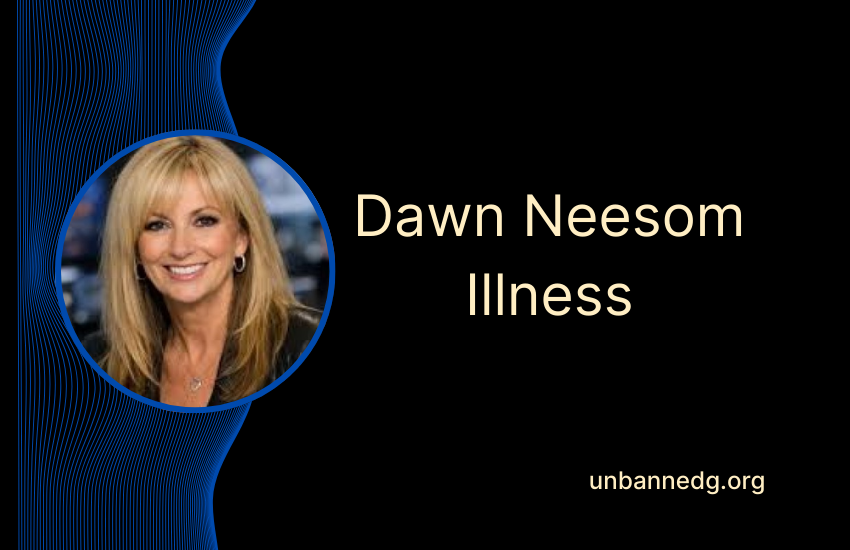
Public interest in “dawn neesom illness” has grown steadily over time, largely because Dawn Neesom is a well-known media figure whose career placed her in the national spotlight for decades. When a journalist or editor becomes less visible, changes roles, or steps back from public-facing positions, curiosity often follows. People naturally begin to ask questions, and health is often one of the first areas of speculation.
This article is written to provide clarity, accuracy, and context. It does not sensationalise, speculate, or diagnose. Instead, it carefully explains what is publicly known, what is not confirmed, and why responsible discussion around health and illness matters—especially when it involves a real person. If you are searching for clear answers about Dawn Neesom’s health, this guide aims to give you facts, perspective, and reassurance rather than rumours.
Biography Snapshot of Dawn Neesom
| Detail | Information |
|---|---|
| Full Name | Dawn Neesom |
| Nationality | British |
| Profession | Journalist, Editor |
| Known For | Former Editor of The Sun |
| Career Span | Over 30 years in journalism |
| Public Health Statements | None confirmed |
| Current Status | Private individual |
Who Is Dawn Neesom and Why She Matters
Dawn Neesom is a respected British journalist best known for her time as editor of The Sun, one of the UK’s most widely read newspapers. She became editor in 2003 and held the position for over a decade, making her one of the most influential women in British media during that period. Her leadership came at a time of significant change within print journalism, and her role placed her under constant public scrutiny.
Throughout her career, Dawn Neesom was known for her strong editorial voice, firm decision-making, and ability to navigate the high-pressure environment of national journalism. These qualities earned her both praise and criticism, which is common for figures operating at that level of influence. Importantly, her professional identity has always been front-facing, which is why any perceived absence or change naturally draws attention.
Understanding who Dawn Neesom is helps explain why questions about her health arise. Public figures often become symbolic beyond their roles, and when they step back, audiences seek explanations—even when none are required.
What Sparked Searches About Dawn Neesom Illness
Searches related to “dawn neesom illness” did not originate from a public announcement or confirmed diagnosis. Instead, they appear to stem from a combination of reduced public appearances, career changes, and general curiosity about her life after stepping away from high-profile editorial roles.
In the digital age, silence often creates speculation. When public figures do not actively share updates, online audiences sometimes fill the gaps with assumptions. This phenomenon is not unique to Dawn Neesom; it affects many individuals who transition from visible leadership roles into more private lives.
It is crucial to note that curiosity alone does not equal evidence. The rise in search interest reflects public habit rather than factual developments. No reputable source has confirmed that Dawn Neesom has suffered from any specific illness.
Is There Any Confirmed Information About Dawn Neesom’s Health?
As of all reliable, publicly available information, there is no confirmed illness associated with Dawn Neesom. She has not made any public statements regarding health issues, nor have credible news outlets reported on any medical condition affecting her.
This absence of confirmation is significant. In journalism and public life, verified information matters. Health details are deeply personal, and unless an individual chooses to disclose them, they remain private.
Therefore, any claim suggesting a specific illness should be treated with caution. Accuracy requires acknowledging that no official or trustworthy source has confirmed health concerns regarding Dawn Neesom.
Understanding Privacy Around Illness and Public Figures
Health is one of the most personal aspects of a person’s life. Even public figures are entitled to medical privacy. Choosing not to disclose health information does not imply illness, secrecy, or avoidance—it simply reflects personal boundaries.
Dawn Neesom has always been a professional rather than a celebrity personality. Her public presence was tied to her work, not her private life. When her career focus shifted, it was natural for her personal life, including health matters, to remain out of the public domain.
Respecting this boundary is essential for ethical discussion. Curiosity should never override dignity.
Why Illness Rumours Spread So Easily Online
Online speculation often spreads due to incomplete information and algorithm-driven content. When people search for “dawn neesom illness,” platforms may amplify the query simply because it is being searched, not because it is true.
This feedback loop can create the illusion of a story where none exists. Blogs and forums sometimes repeat assumptions without verification, further muddying the waters.
Understanding this process helps readers become more critical consumers of information and avoid unintentionally spreading misinformation.
Media Responsibility and Health Reporting
Responsible media outlets follow strict guidelines when reporting on health issues. They avoid speculation, respect privacy, and rely on confirmed sources. In the case of Dawn Neesom, this standard has largely been upheld.
The absence of sensational headlines about her health is not an oversight—it is a reflection of ethical journalism. This restraint deserves recognition, especially in an era where clicks often drive coverage.
Such responsibility protects individuals and maintains public trust.
Career Changes vs Health Assumptions
Many people associate stepping back from high-profile roles with health concerns, but this is often inaccurate. Career transitions can occur for numerous reasons: lifestyle changes, personal priorities, new interests, or simply a desire for balance.
Dawn Neesom had a long, intense career in a demanding industry. Choosing a quieter professional life afterward does not automatically suggest illness. In fact, it may reflect success in achieving personal well-being.
Separating career choices from health assumptions is crucial for fair understanding.
How Public Curiosity Can Cross Ethical Lines
While interest in public figures is natural, it can sometimes drift into intrusive territory. Health speculation, in particular, risks causing harm—both to the individual concerned and to public discourse.
When unverified claims circulate, they can create unnecessary concern, reinforce stigma, or pressure individuals to respond when they should not have to.
Ethical curiosity means accepting “not publicly known” as a complete answer.
Comparing Dawn Neesom to Other Media Figures
Many editors and journalists choose to step away from public life after long careers. This pattern is common and rarely linked to illness. Comparing Dawn Neesom to peers highlights how normal her trajectory actually is.
What differs is public perception. Well-known names attract more attention, even when their choices mirror industry norms.
This comparison helps contextualise the discussion and reduce misplaced concern.
Mental Health, Burnout, and Media Careers
Although no illness is confirmed, it is worth acknowledging that journalism is a high-pressure profession. Burnout and stress are widely discussed across the industry.
However, discussing industry-wide challenges is very different from attributing them to a specific individual. In Dawn Neesom’s case, no public statement connects her career changes to health or burnout.
General awareness should not become personal attribution.
Why Clear Information Matters to the Public
Accurate information builds trust. When people search for “dawn neesom illness,” they are often seeking reassurance or clarity, not gossip.
Providing factual context—namely that no illness has been confirmed—helps calm speculation and refocus attention on verified reality.
Clear information also discourages the spread of harmful assumptions.
The Role of Respectful Curiosity
It is possible to be curious and respectful at the same time. Respectful curiosity acknowledges limits and accepts privacy.
In the case of Dawn Neesom, the most respectful position is to recognise her contributions and accept her right to live privately without public health scrutiny.
This approach benefits everyone involved.
What We Can Learn From This Topic
The discussion around dawn neesom illness highlights broader lessons about media literacy, privacy, and ethical interest. It reminds us that not every question has a public answer—and that is okay.
Learning to pause before assuming protects both individuals and public discourse.
Conclusion
To be clear and accurate: there is no confirmed information that Dawn Neesom is suffering from any illness. Searches and speculation appear to be driven by curiosity rather than facts. Dawn Neesom remains a private individual who has chosen to step back from the spotlight after a distinguished career. Respecting that choice, and avoiding unfounded assumptions about her health, is the most responsible and human response.
FAQs
Is Dawn Neesom ill?
There is no confirmed or public information indicating that Dawn Neesom has any illness.
Why do people search for dawn neesom illness?
Search interest appears to stem from curiosity due to her reduced public presence, not from verified reports.
Has Dawn Neesom spoken about her health?
No, she has not made any public statements regarding health issues.
Is it appropriate to speculate about a public figure’s health?
No, health is private unless the individual chooses to disclose information publicly.
What is Dawn Neesom doing now?
She has largely stepped back from public-facing roles and maintains a private life.


